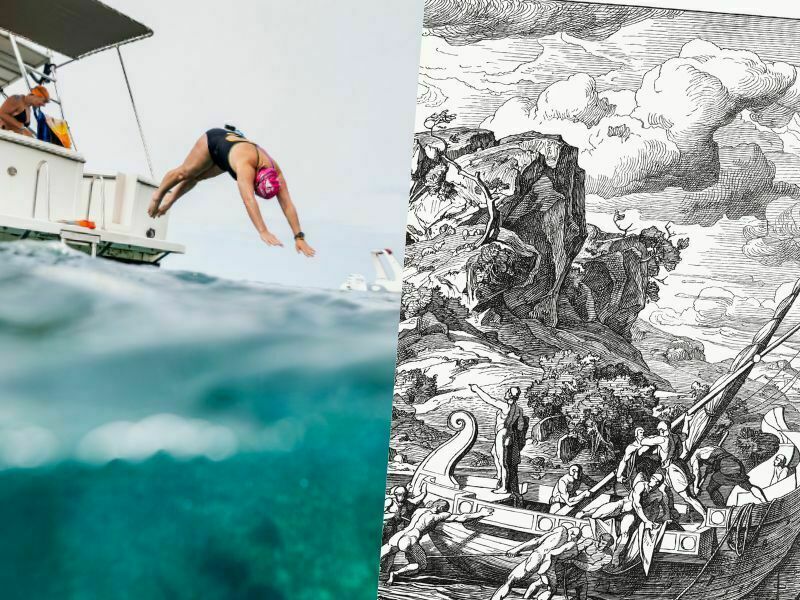
‘We are not now that strength which in old days
Moved earth and heaven, that which we are, we are;
One equal temper of heroic hearts...’
Ulysses (Alfred Tennyson)
In Western literature, The Odyssey follows the King of Ithaca, Odysseus, as he and his men return home from the battlefields of Troy. It is not the first example of a monomyth (The Epic Of Gilgamesh predates it), but Homer’s epic is arguably the most influential narrative of its kind ever written.
In this blog, we track the hero’s journey after he departed Troy with his fleet of 12 ships and 600 men. Of course, there was much to overcome on the voyage ahead. Yet these men were also bonded by kinship and the urgency of survival. They rose to the adventure, facing many perils and trials, from the terrifying Cyclops to songful Sirens, bird-like and beautiful. All the while, they sought the sure soil of home on distant Ithaca.
As we later learned, in Tennyson’s great poem (Ulysses), Odysseus struggled to settle into island life after his return, forever beckoned by the call of the Ionian Sea. Finally, he would call upon his aged mariners – ‘souls that have toil'd, and wrought, and thought with [him]’ – to once again set sail towards the offing.
While we retrace The Odyssey, we will also stop at 10 incredible SwimTrek locations, entangled with the journey taken by our mariners in Homer’s retelling of their story, woven between 725-675 BCE.
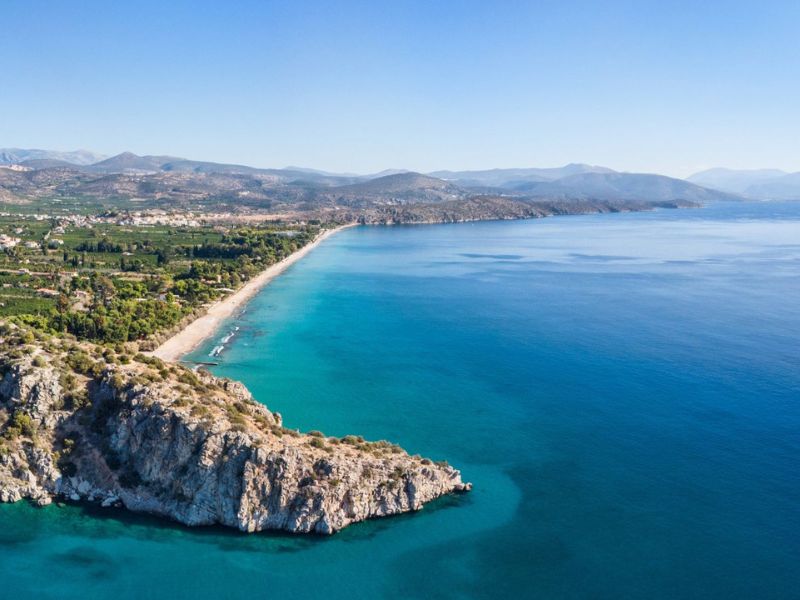
Tolo, Greece
Our first port of call is Tolon Bay, where we stay on our new Tolo trip in Greece. This is where the ancient city of Asine was thought to have stood, beside the sea. From there, ships were launched to join the Greek armada on its way to besiege Troy.
Today, the coastal village is a tourist hub still famous for accommodating seafarers – it is well-loved by both private yachters and local fishers alike, with calm harbour waters shielded from tides and storms.
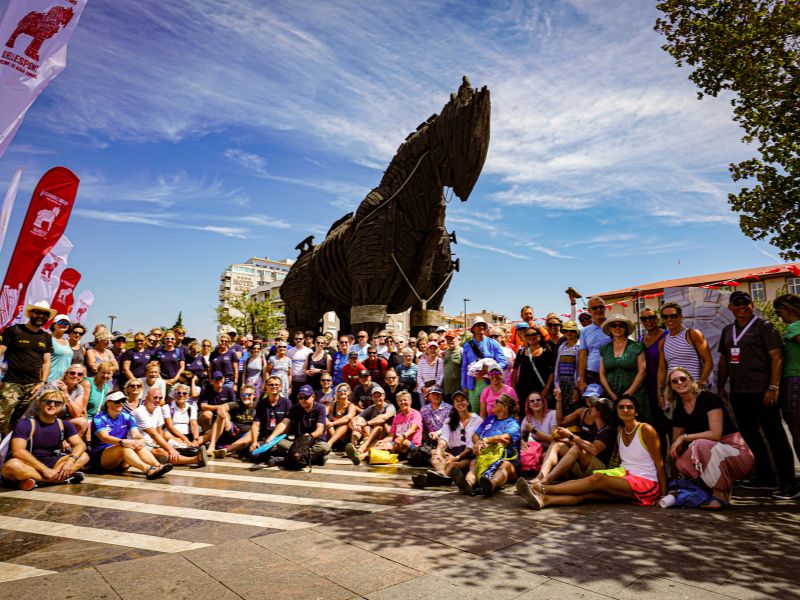
The Hellespont / Troy
At first, Odysseus was unsure about joining the ten-year siege of Troy – a prophecy foretold his lengthy absence from home and family. In the end, he played a crucial role in the battle, fighting as a warrior, and serving as one of the Greek commanders, responsible for the idea of the Trojan Horse, which led to the fall of the city.
We visit the remains of this dusty battlefield on our Hellespont Week Tour, taking in the historic ruins not far from Canakkale, where the iconic swimming race across the Dardanelles Strait ends.
‘The dust is rising, spreading out like a great wing of smoke and all is hidden. And Troy is gone forever.’ The Odyssey (Homer)
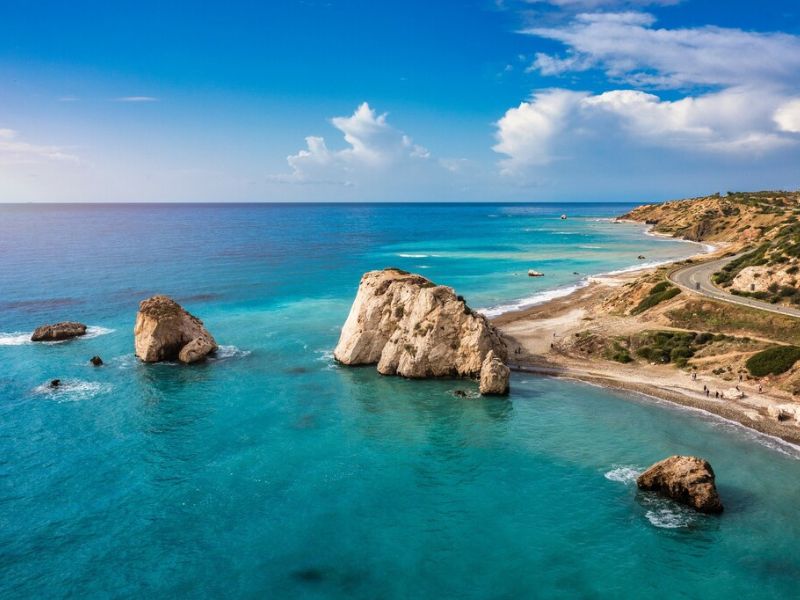
Cyprus
Cyprus is famously the birthplace of Aphrodite, goddess of love and beauty, who is mentioned during a Phaeacian feast in The Odyssey. The island was an important stopping point for Greek heroes on their perilous voyages, including Menelaus, who landed in these exotic lands after being blown off course in the aftermath of the Trojan War.
Homer grounded his epic by following familiar trade and travel routes across the ancient Mediterranean, passing many islands we explore today. In the Iliad, the King of Cyprus is also depicted as a wealthy ruler, overseeing an island kingdom known for its copper - he even gifts the King of Mycenae, Agamemnon, an ornate breastplate.
Egadi Islands
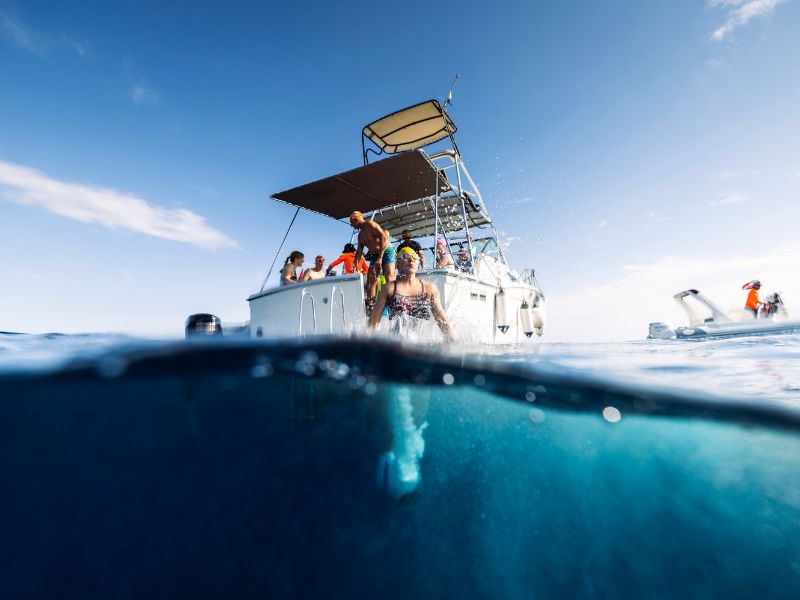
Sicily's Egadi Islands are real-world locations included in Homer's story, referred to as the uncultivated 'Islands of the Goats'.
‘[The Cyclops was a] grim loner, dead set in his own lawless ways. Here was a piece of work, by god, a monster...’ The Odyssey (Homer)
Odysseus and his crew are mentioned as landing on Favignana, the largest island in the archipelago, teeming with wild goats. The island was also home to the terrifying Cyclops, Polyphemus, who devoured six of Odysseus's men when they entered his cave.
Aeolian Islands
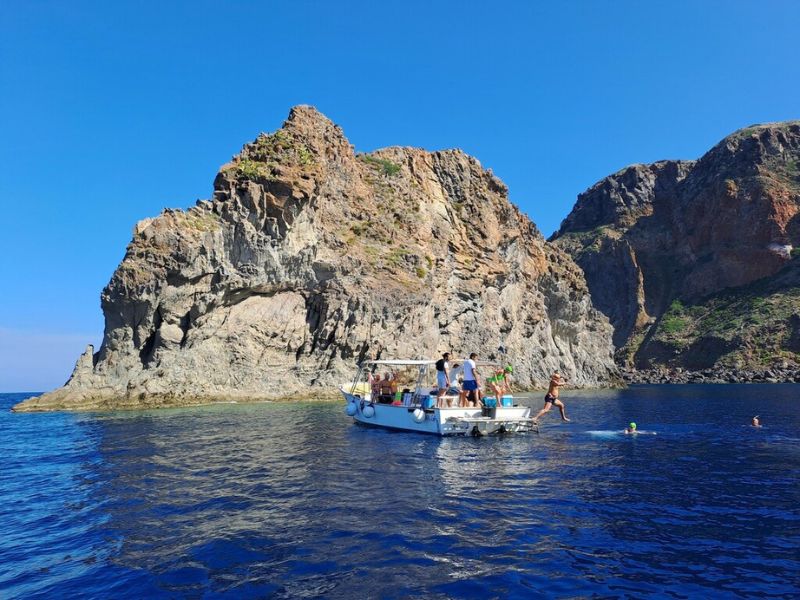
The Aeolian Islands, namely Lipari and Aeolus, are encountered at a turning point in the voyage of Odysseus and his men. Strewn off Sicily’s north coast, these rocky islands were the mythological home of Aeolus 'Keeper of the Winds'.
During their sojourn here, Odysseus is gifted a magical ox-hide bag which contains powerful winds, capable of guiding their ships home to Ithaca. Yet the crew open the bag too early, thinking it might contain treasure, unleashing a gale that almost blows them all overboard and redirects their seaborne journey.

The Bosphorus
The Bosphorus strait is a geographic boundary, entangled in mythology and described as a bridge between the known world and a realm of leviathans, plunging to the underworld, where Hades resides.
In The Odyssey, the passage into the Black Sea is regarded as a gateway to the world's end. Odysseus ventures through this metaphorical gate to commune with the dead during one of his many trials. One theory also suggests this was where Charybdis churned the depths and stirred up whirlpools (not the Strait of Messina).
Ionian Islands
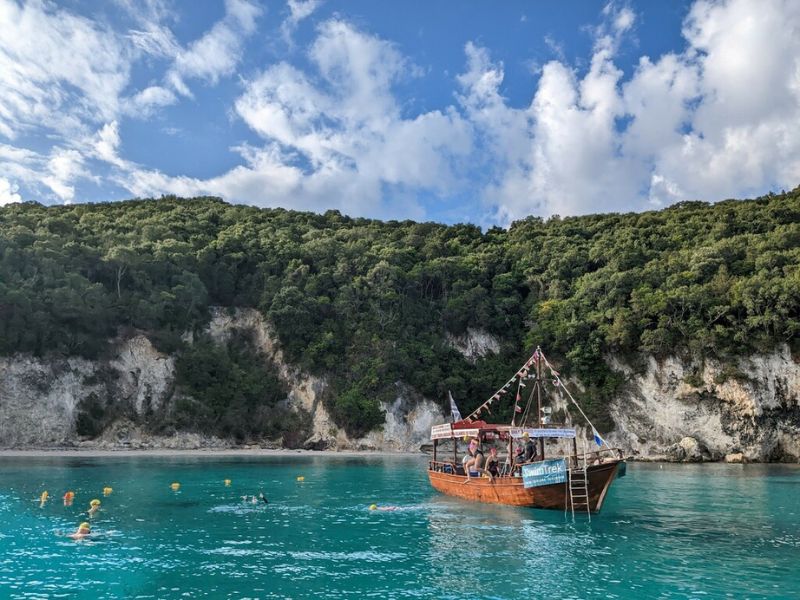
At the emotional heart of our epic are the gorgeous Ionian Islands, including the crew's homeland of Ithaca, as well as Corfu and Kefalonia, which were stepping stones allowing Odysseus to return to his family.
Scheria is identified as modern-day Corfu, home of the Phaeacians, where Odysseus makes the final stop after his treacherous wanderings. It is described as a place where many legendary sailors live, spoilt for safe harbours, resources and supplying the mythical ship that carries our lost king back to his Ionian realm.
Malta
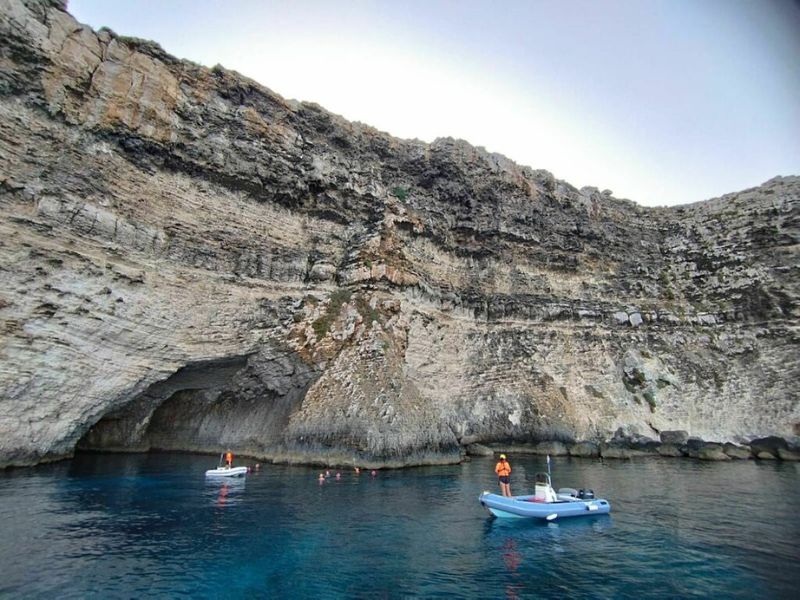
Gozo is the second-largest island in the Maltese archipelago, where we run our Malta Escape, referred to in The Odyssey as Ogygia. This is a remote and lush island where the sea-nymph Calypso lives by the rolling sea.
‘I saw him once on an island, weeping live warm tears in the nymph Calypso’s house...’ The Odyssey (Homer)
It is here that Odysseus is taken as a 'prisoner of love', trapped for seven years on the reddened sands of Ramla Bay, where Calypso's Cave was said to be. Odysseus was promised immortality and eternal youth if he stayed with Calypso, prolonging a reunion with his Ithacan wife, Penelope.
Lycian Way
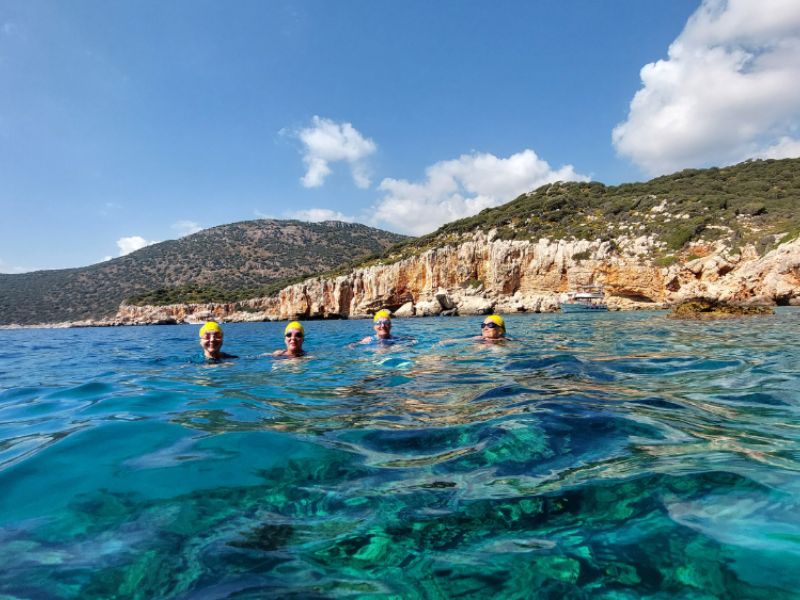
The mountainous region of Lycia - where we now swim alongside Turkey's Lycian Way - serves as a lookout from which Poseidon sees Odysseus. Perched on the Solymi mountains, the God of the Sea spies Odysseus on his raft after he has left Calypso's island, where he washed ashore and was held captive.
In the epic, Poseidon conjures a cyclonic storm to destroy Odysseus's raft, driving him to the island of the Phaeacians. This is the final obstacle faced by Ithaca's King before he returns home.
Ithaca
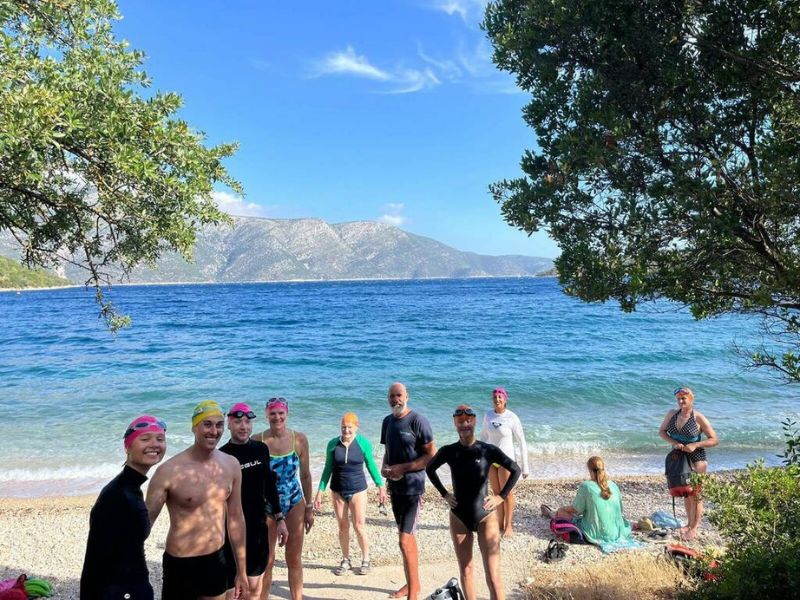
Of course, Ithaca, where our Ithaca Odyssey trip is based, is where our hero's voyage ends. This sceptred isle seems to be forever out of reach in Homer's epic, until Odysseus eventually returns to reclaim his island, clashing with the 108 noble suitors who seek to steal his wife and usurp his throne.
‘I seem to have heard of Ithaca, even on Crete’s broad island far across the sea, and now I’ve reached it myself...’ The Odyssey (Homer)